Part of the directory of licensed immigration advisers in New Zealand
The pathway at a glance
- Complete the approved qualificationAbout one year full-time
The Graduate Diploma in New Zealand Immigration Advice (Level 7) at Toi Ohomai Institute of Technology, the only approved provider, delivered online. Part-time study takes longer.
- Apply to the IAA for a provisional licenceAfter Courses 1-4, or after the diploma
Courses 1-4 are the approved entry course, so you can apply at the halfway mark and finish the diploma while working. The IAA assesses the competency standards and the fit and proper person test, with police certificates and a supervision agreement with a fully licensed immigration adviser.
- Work under direct supervisionTwo years
On a provisional licence, under the direct supervision of a fully licensed immigration adviser.
- Upgrade to a full licenceThen renew every year
Renewal is annual, with 20 hours of continuing professional development each licensing period.
The qualification
The Graduate Diploma in New Zealand Immigration Advice is the only qualification the IAA currently approves for new immigration advisers. It is taught online by Toi Ohomai Institute of Technology, takes one academic year full-time (part-time study is available), and is built around the Immigration Adviser Competency Standards and the Licensed Immigration Advisers Code of Conduct: the two documents that govern how licensed immigration advisers must practise.
Because Courses 1-4 count as an approved entry course, many students apply for a provisional licence at the halfway mark and complete the remaining courses while gaining supervised experience.
You will need a supervision agreement with a fully licensed immigration adviser before the provisional licence is granted, so building a relationship with a prospective employer or supervisor early matters.
The eight papers
The diploma is taught wholly online, tutorials included. Its eight papers are taken in order: the first four are the approved entry course and must all be passed before any of the second four is started, which is the rule that makes the halfway provisional licence possible.
- Credits
- 120
- Papers
- 8
- Domestic tuition
- $6,304
- Semester starts
- 22 Feb, 12 Jul
Toi Ohomai published that domestic tuition fee and those semester starts on its course page, read on 18 September 2026; it lists 2027 fees as still to be confirmed, and tuition is separate from the IAA's own fees.
| # | Paper | What it covers |
|---|---|---|
| 1 | LAWS6015 Immigration Industry and Professional Responsibilities (level 6) | The industry, the licensing regime and what the code of conduct requires of you |
| 2 | LAWS7012 Immigration Law and Decision-Making | The Immigration Act 2009, the instructions and how a decision is lawfully made |
| 3 | LAWS7022 Temporary Entry | Visitor, student and work visas, and the rules that govern them |
| 4 | LAWS7014 Residence | The residence categories and how an application is assessed |
| 5 | LAWS7015 Professional Practice | Running a practice to the standard the code requires |
| 6 | LAWS7016 Specialist Immigration Areas | The areas that need particular expertise |
| 7 | LAWS7017 Managing Client Cases | Taking instructions and carrying a file properly |
| 8 | LAWS7021 Compliance, Unlawful Status and Deportation | What happens when status is lost, and the appeal routes |
Papers 1 to 4 are the approved entry course: all four must be passed before paper 5 is started.
Who can enrol
The IAA sets no degree requirement of its own. Its approved qualification is the Graduate Diploma in New Zealand Immigration Advice, and its approved entry course is the first four courses of that diploma. The degree question belongs to the provider, not the regulator, which is why careers guidance that lists a bachelor's degree as a flat requirement for this occupation can mislead.
Toi Ohomai asks for an undergraduate degree completed in New Zealand, or a qualification completed overseas that Immigration New Zealand or NZQA accepts as equivalent.
Toi Ohomai runs a documented way in without one: special admission, where you show practical, professional or educational experience equivalent to an undergraduate degree. The provider illustrates that as three or more years in a relevant professional role.
Applicants who did not study in English must meet the provider's language threshold as well. It accepts any one of:
- Primary and at least three years of secondary schooling in English in a recognised country
- A bachelor's degree of at least three years taught in English in a recognised country
- A test sat within the two years before enrolment, at the scores below
| Test | Overall | Writing | Other sections |
|---|---|---|---|
| IELTS | 7.0 | 7.0 | 6.5 in reading, listening and speaking |
| TOEFL iBT | 100 | 27 | No separate score listed |
| PTE Academic | 65 | 65 | No separate score listed |
This matters for the offshore route, because the diploma is the same online course wherever you sit it.
Entry requirements read from the Toi Ohomai course page on 21 September 2026.
The occupation itself
Immigration advice is a classified occupation, which matters if you are working towards residence yourself rather than only towards a licence. ANZSCO version 1.3 puts migration agent and immigration consultant at code 224913, inside unit group 2249, Other Information and Organisation Professionals. The classification says of that unit group:
“most occupations in this unit group have a level of skill commensurate with a bachelor degree or higher qualification”
That is skill level 1, the most skilled of the five. Skill level is not a compliment, it is a threshold: Immigration New Zealand assesses Skilled Migrant Category applications against ANZSCO version 1.3.
| Occupation skill level | Employment qualifies at |
|---|---|
| 1 to 3 (this occupation is 1) | The median wage |
| 4 or 5 | 1.5 times the median wage |
The ANZSCO and skill level guide sets out the version rules and the substantial match test, which decide whether the code applies to the job you actually do.
What the job pays
Tahatū Career Navigator, the careers service run by the Tertiary Education Commission, publishes a pay range for this occupation, all before tax, and sets it against an average New Zealand income of $34 an hour, or $70,000 a year.
| Key | Figure | A year |
|---|---|---|
| Lower end to upper end | $50,000 to $153,000 | |
| Most common band | $63,000 to $110,000 | |
| Average New Zealand income | $70,000 ($34 an hour) |
Read from Tahatū's immigration adviser profile on 21 September 2026, a page carrying a publish date of 7 May 2026.
Tahatū builds pay figures from Statistics New Zealand census and Integrated Data Infrastructure records, Inland Revenue data, employment agreements and job advertisements, and the occupation it describes covers immigration consultants and migration agents as well as licensed immigration advisers. It is not a survey of the licence holders on the IAA register, and this directory publishes no earnings figure of its own.
The same profile gives the training as four years, which counts an undergraduate degree before the diploma. This guide counts from the diploma, because that is where the IAA's own requirements start.
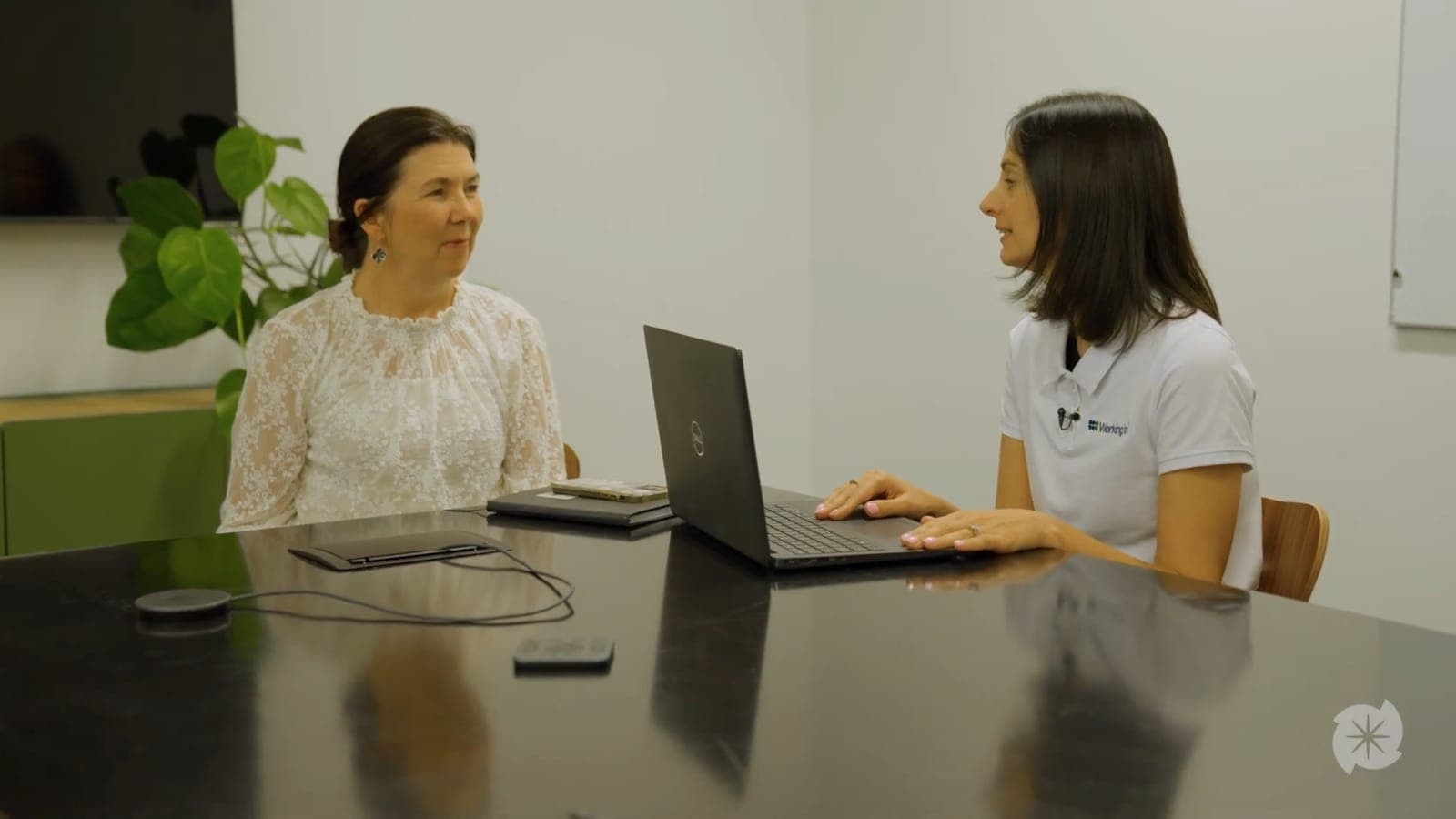
Tahatū's two minute film below follows a working immigration adviser through a normal day, and is worth watching if you are weighing the career. One detail in it is out of step with the provider: it puts the diploma at up to two years full-time, where Toi Ohomai's course page says one year.
Applying to the IAA
The application is made online through the IAA portal. The Registrar assesses whether you meet the competency standards and are fit to be licensed. You must provide:
- Certified identity documents
- Police certificates for every country you have lived in for 12 months or more during the last 10 years
Dishonesty offences, immigration offences and similar history weigh against the fit and proper finding.
| Applicant | Total | Made up of |
|---|---|---|
| Ordinarily resident in New Zealand | $2,039.33 | $909.78 application fee plus $1,129.55 immigration levy |
| Not ordinarily resident in New Zealand | $1,773.33 | Published as a total |
Paid on approval. Tuition for the diploma is separate and set by the provider.
Provisional licence and supervision
A first licence is provisional: you must work under the direct supervision of a fully licensed immigration adviser for two years before upgrading to a full licence. The supervisor takes professional responsibility for your files under an IAA-approved supervision agreement, so provisionally licensed immigration advisers almost always work inside an established practice rather than alone.
Every immigration adviser's licence type is public. This directory marks provisional licences on immigration adviser profiles, and the statistics page shows the register-wide mix. Today the register lists:
- Current licences
- 1,752
- Full
- 1,438
- Provisional
- 309
Once fully licensed, renewal is annual, and each licensing period requires 20 hours of continuing professional development.
The directory can list the fully licensed immigration advisers the register records as supervising a provisional licence holder, now or before: see who has supervised. A past record shows an immigration adviser has done it, not that they are taking someone on today, so ask them.
Exemptions and alternative routes
| Who | Needs an IAA licence? | How |
|---|---|---|
| Licensed immigration adviser | Yes | The diploma, a provisional licence, then a full licence, as above |
| New Zealand lawyer with a current practising certificate | No, exempt | Exempt under the Immigration Advisers Licensing Act 2007; qualifying as a New Zealand lawyer is a different pathway altogether (how to become an immigration lawyer) |
| Registered Australian migration agent | Yes | Their own route to a New Zealand licence without completing the diploma, reflecting the trans-Tasman relationship |
| Anyone else, in the course of business | Not allowed | Giving New Zealand immigration advice without a licence or exemption is an offence |
The deeper comparison is in the immigration adviser vs immigration lawyer guide, and the offence itself is covered in the unlicensed immigration advice guide.
If you are weighing the career, the directory shows who is practising today and where: 1,752 licensed immigration advisers, searchable by city and experience.
Frequently asked questions
This guide is part of the directory of licensed immigration advisers in New Zealand.
Related guides
- How to become an immigration lawyer in New ZealandThe pathway to practising immigration law in New Zealand: law degree, professional legal studies, admission, the practising certificate, and why New Zealand lawyers do not need an IAA licence.
- The Immigration Advisers Licensing Act 2007, what it does and how it has changedThe Act behind immigration adviser licensing in New Zealand: its purpose, who may give immigration advice, the offences and penalties, the Authority and the Tribunal it created, and every amendment to date including the 2025 changes.
- Immigration adviser vs immigration lawyer in New ZealandThe difference between a licensed immigration adviser and an immigration lawyer in New Zealand: regulation, what each can do, complaints and how to choose.
- Immigration consultants and agents in New ZealandWhat an immigration consultant or immigration agent legally is in New Zealand, how to check whether one is licensed, and the rules for agents based overseas.
- Unlicensed immigration advice in New Zealand - how to spot and report itWho may legally give NZ immigration advice, the exemptions, the red flags for unlicensed operators and ghost advisers, the penalties, and how to report to the IAA.
Sources
- IAA: qualifications for a licence
- IAA: how to apply for an initial licence (fees, fit and proper)
- Toi Ohomai: Graduate Diploma in New Zealand Immigration Advice (Level 7)
- Tahatū Career Navigator: immigration adviser (T01047)
- Tahatū Career Navigator: where our data comes from
- ANZSCO 2013 version 1.3: unit group 2249, Other Information and Organisation Professionals
Not sure where to start?
Send one enquiry and we will connect you with a suitable licensed professional.